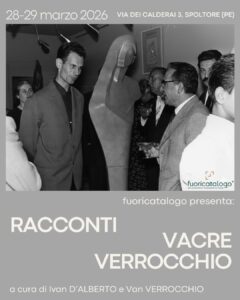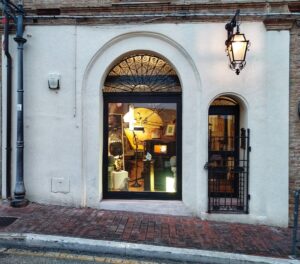
Ricordi – Vacre Verrocchio (March 28–29, 2026, on display until April 26, 2026)
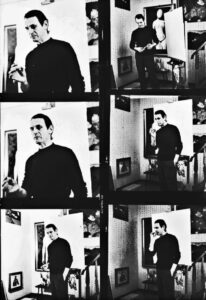
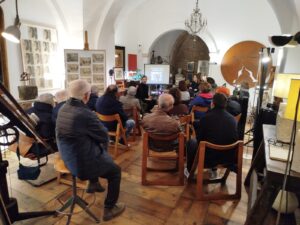
On Saturday, March 28, and Sunday, March 29, our gallery hosted a two-day event dedicated to exploring and deepening our understanding of Vacre Verrocchio (1929–2004), an artist of abruzzese origins whose career achieved international resonance.
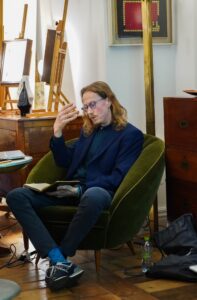
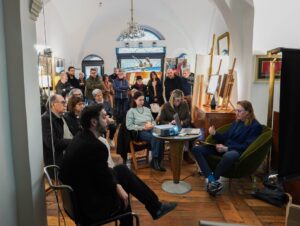
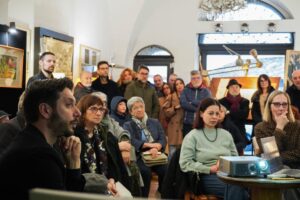
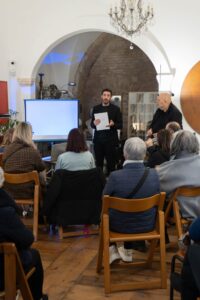
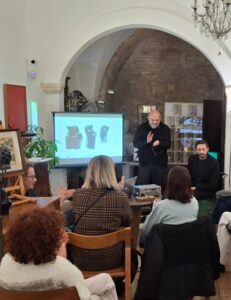
The artist has recently been rediscovered thanks to the publication of the monograph Vacre Verrocchio | tra molteplicità e polisemia (Textus Edizioni, L’Aquila 2024), co-authored by architect Van Verrocchio and contemporary art historian and theorist Ivan D’Alberto. On Saturday, through a video screening, Ivan D’Alberto retraced the history of the Galleria Verrocchio, which was opened in Pescara on June 21, 1958, by Vacre himself alongside his brother Giuliano. This provided a wonderful opportunity to evoke the cultural atmosphere that permeated the city during the late 1950s and early 1960s. D’Alberto—author of the book Tutto è iniziato prima | Pescara e le sue gallerie d’arte (1955-1975) published by Di Felice Edizioni (Martinsicuro, Te, 2017)—outlined the prolegomena to the artistic trajectory experienced by the Adriatic city during the 1970s. He demonstrated that Pescara’s artistic boom in that era was heavily shaped by various cultural initiatives implemented during the previous decade, several of which were spearheaded by the Galleria Verrocchio itself.
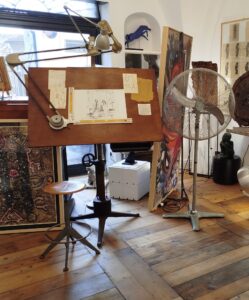
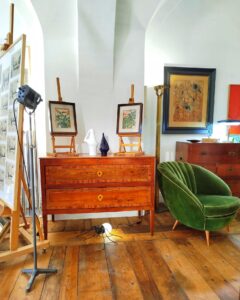
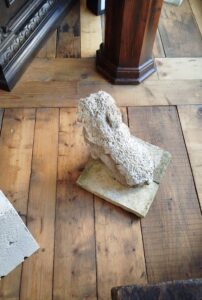
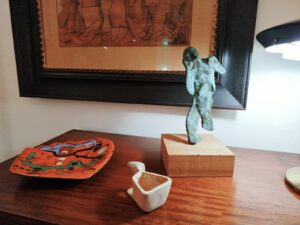
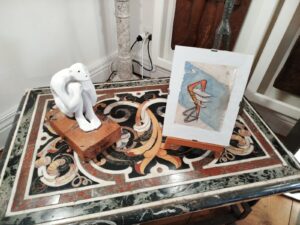
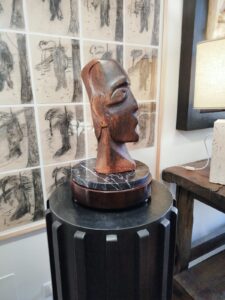
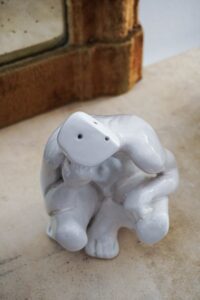
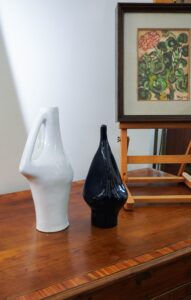
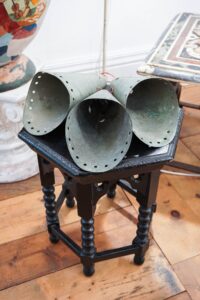
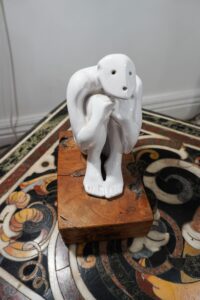
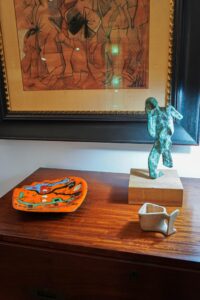
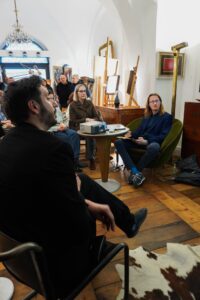
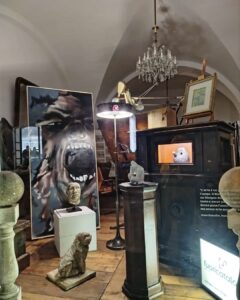
On Sunday, we delved into the core of Vacre Verrocchio’s artistic research, focusing primarily on his output related to design and industrial design. Van Verrocchio, the artist’s son, discussed the extensive production in ceramics, metalwork, and fine cabinetry that consistently ran parallel to the Pescara-born artist’s painting and sculpting practices. To mark the occasion, our gallery presented several of Vacre Verrocchio’s paintings that had never been publicly exhibited before, which will remain on display for our discerning audience until April 26, 2026.
This double-bill event held immense significance for the gallery. Firstly, it allowed us to examine why Pescara, between the mid-1950s and mid-1970s, found itself at the heart of an artistic ferment and cultural interest that might seem inexplicable for a relatively small southern Italian city at the time. More importantly, it helped us analyze why that momentum and artistic fervor subsequently faded. While market forces may have played a role, political and institutional bodies undeniably failed to capitalize on the opportunities presented by such a favorable moment for the Abruzzo region.
Furthermore, exploring Vacre Verrocchio’s artistic legacy is vital because many of the themes channeled through his art form the very foundation of our own gallery project. We think of terms with profound social impact, such as the forgotten, the marginalized, and the survivors. Art possesses the unique ability to decipher society through History, cultural movements, and pivotal figures operating across various levels and roles—individuals free from conditioning and societal superstructures. Now more than ever, we need to understand current events; now more than ever, it is crucial to analyze and comprehend the past, and art serves as an invaluable tool in this endeavor. The human and artistic figure of Vacre Verrocchio becomes a “yardstick” to measure a bygone era, an opportunity lost for our small region. Rediscovering his work twenty years later implies, at best, that twenty years have been lost—years that, had they been properly nurtured, could have positioned our city in a vastly different place within the national art landscape.